Hotel furniture shapes guests' first impression, withstands years of daily wear and tear, and quietly affects the cost of cleaning. However, many developers choose furniture in the same way they decorate their homes, which can lead to inconsistent styles and high maintenance costs. This guide explains the differences in hotel furniture, how to choose the right furniture for each area.
Hotel furniture is designed for commercial use. It must be able to withstand continuous use, frequent cleaning, bumps from luggage and daily use, while maintaining a fresh and high-quality appearance. Materials, joints, hardware and finishes are all different from the regulations for residential furniture, and the decision is not only measured by the initial cost, but by the life cycle cost - the purchase price plus maintenance, repair and replacement during the property's life cycle.
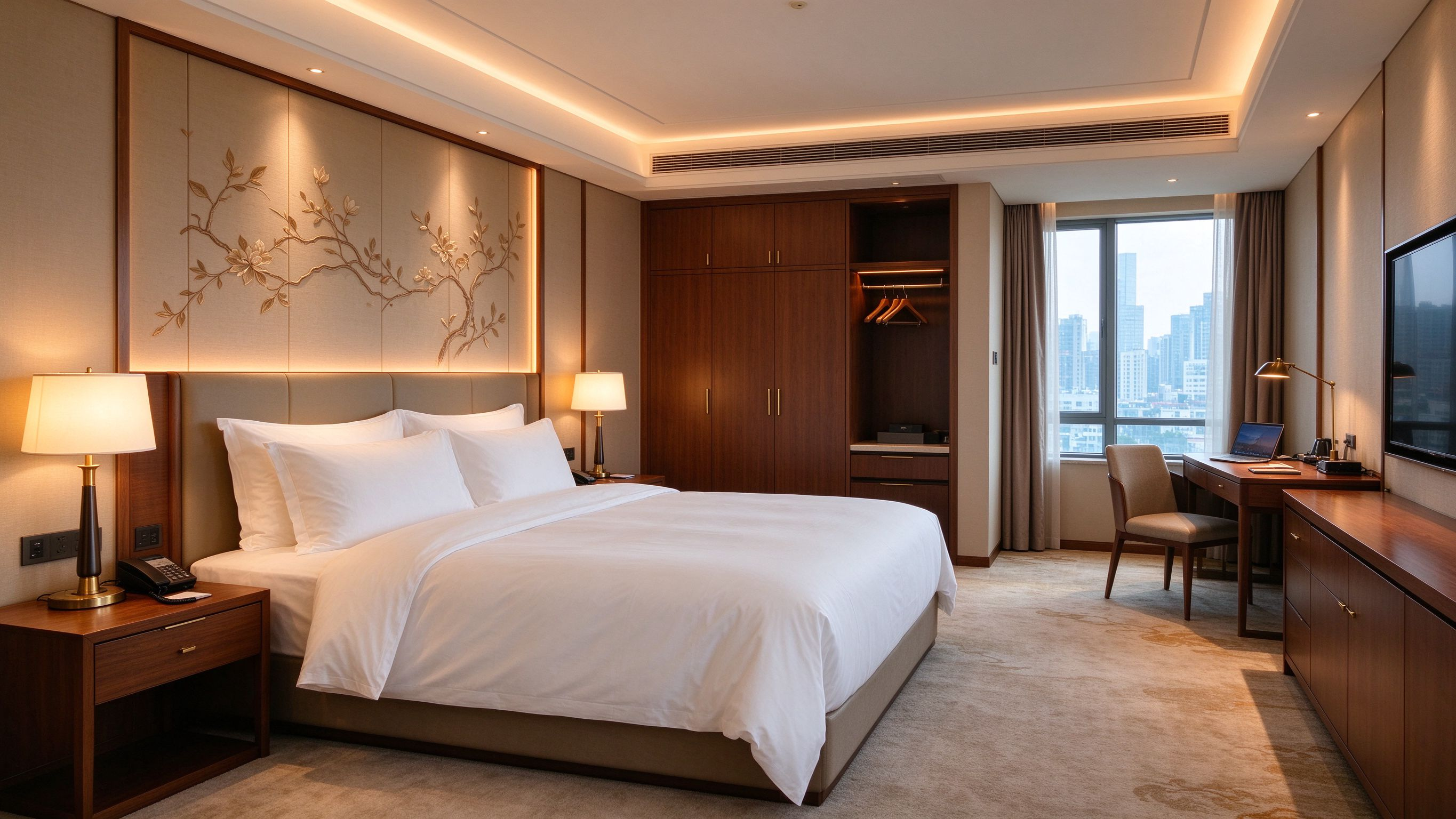
Reinforced joints, heavy-duty hinges and scratch-resistant surfaces can extend the service life of furniture in high-flow rooms.
Match the furniture materials with the hotel's climate and usage: Moisture-proof boards and sealed edges are suitable for damp or coastal areas, anti-fading finishes are suitable for sunny rooms, and anti-stain surfaces are suitable for restaurants and high-use areas.
Mattresses, chairs and seating should be tested for real comfort, because reviews reflect how guests feel, not how furniture looks in photos. Ergonomics matter for work desks, dining seating and lounge areas alike.
Furniture must be provided or manufactured in a uniform color, texture and size throughout the property, which is conducive to batch quality control.
Ask about the ease of cleaning and repairing each item. Detachable fabrics, replaceable hardware and easy-to-wipe surfaces reduce the time spent cleaning the room and keep the furniture looking new between renovations.
The bed, bedside table, wardrobe and office desk form the core of the guest experience. The bed requires a commercial-grade base and support mattress. A wardrobe requires practical storage space and durable doors. The desk needs a clean surface.
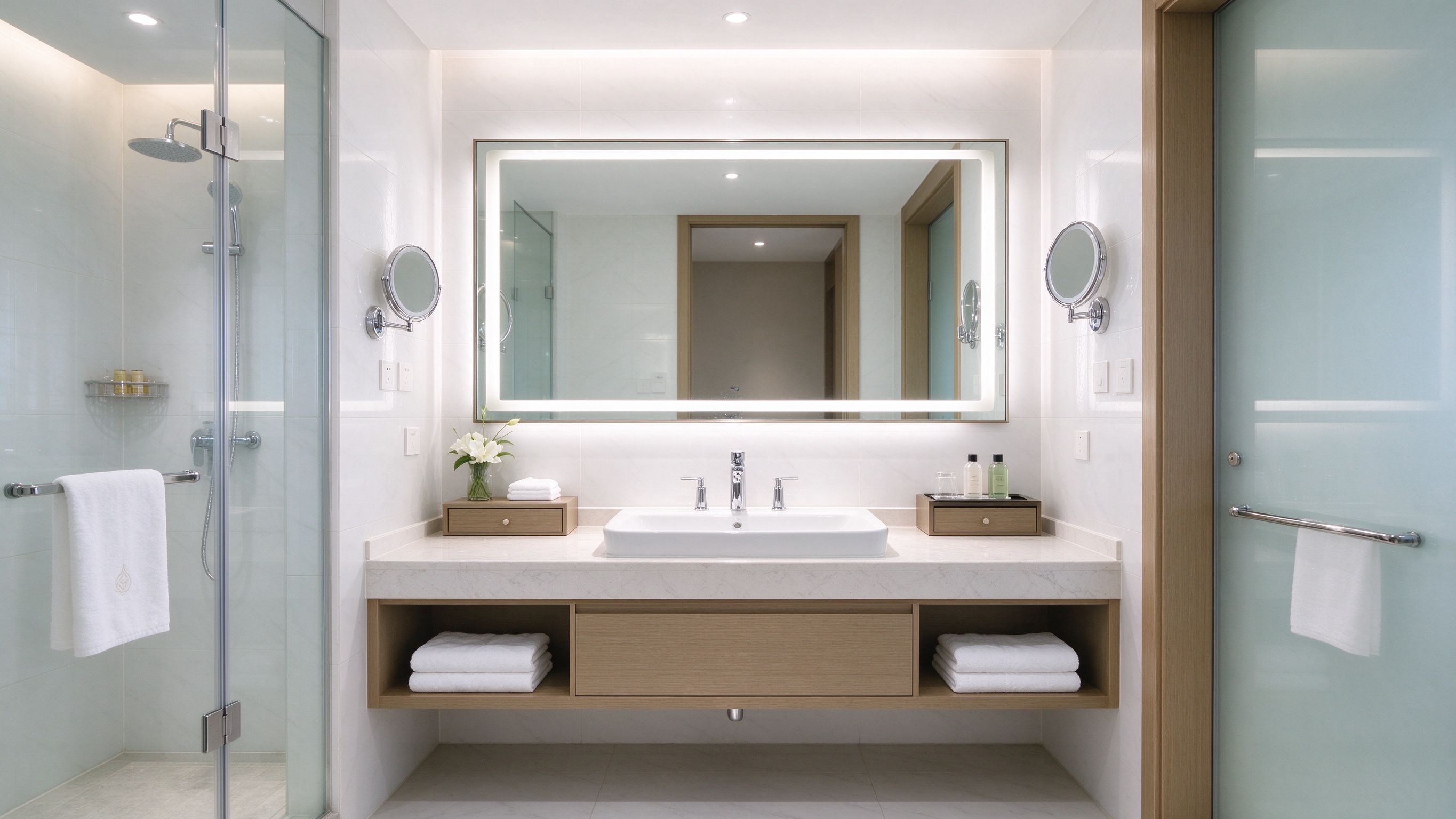
The dresser and storage cabinet in the bathroom have been in a damp state all the time. Waterproof materials, sealed edges and corrosion-resistant hardware are indispensable to prevent expansion, mold and rust in damp conditions.
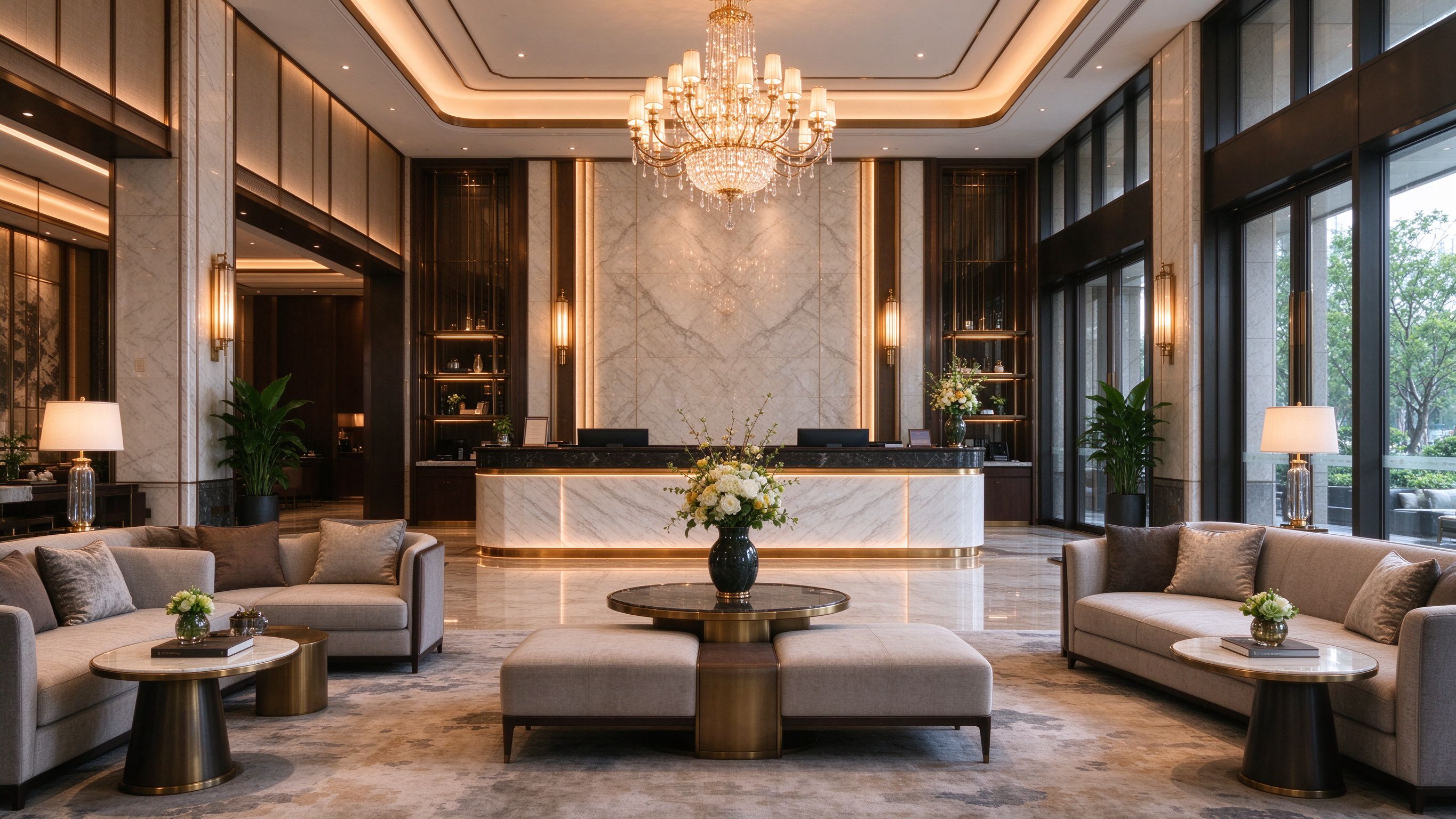
Reception desks, lounge seating and feature tables set the tone of the property and take heavy public wear. Choose commercial-grade construction with easy-clean finishes that still deliver a strong design statement.
Dining tables and chairs must survive spills, heavy cleaning and constant rearrangement. Stain- and scratch-resistant surfaces with replaceable parts keep F&B areas presentable with minimal downtime.
Hotel furniture is a long-term investment in guest satisfaction and operational efficiency. When choosing commercial-grade materials that match your environment, the precise matching of furniture sizes and consistent brand quality, customize the furniture to make the room look fresher and reduce operating costs. Planning to build new or renovate? Contact us for a one-stop exclusive solution


